
EARLY CHILDHOOD PROFESSIONAL DEVELOPMENT • WORKSHOPS • TEAM TRAINING
Professional development that helps challenging behavior make sense.
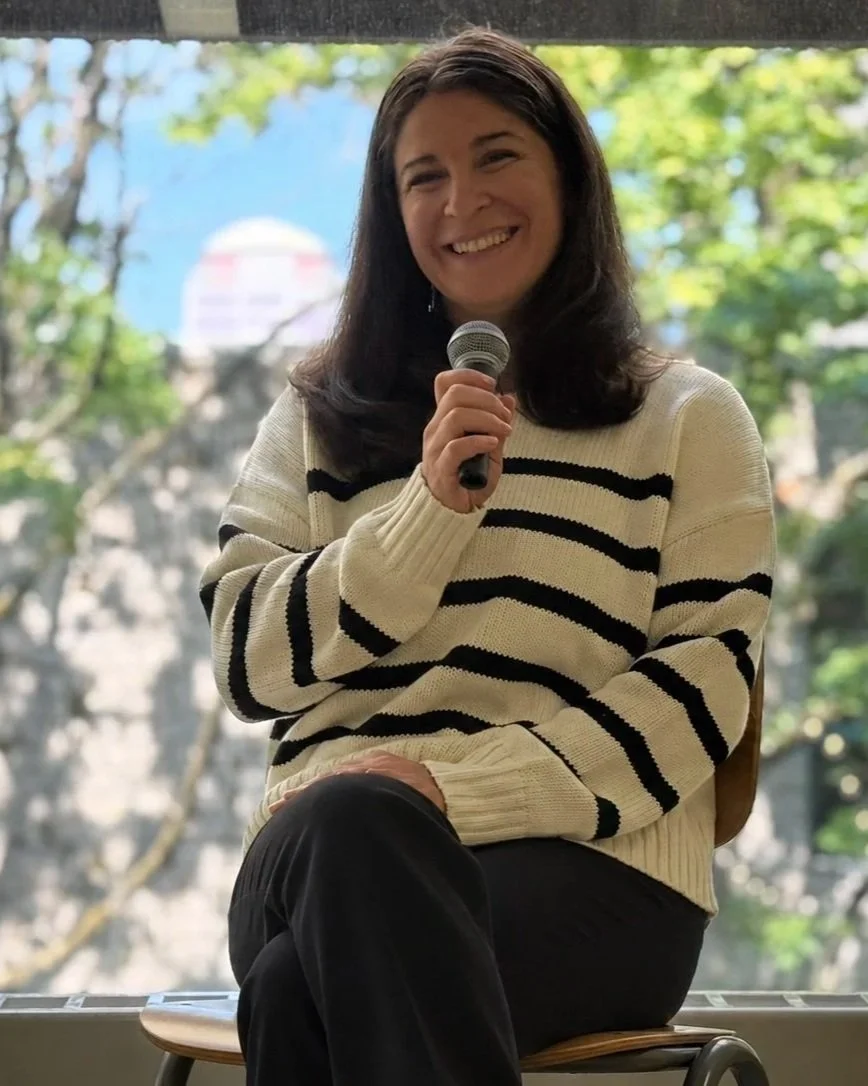
Interactive, trauma-responsive and neurodiversity-affirming workshops that help early childhood educators understand what may be driving behavior—and respond with greater clarity, confidence, and connection.
Katie Statman-Weil, EdD, LCSW brings classroom experience, clinical insight, and accessible brain science together in practical training designed for real children, real educators, and real classroom challenges.
“Katie’s course was an incredibly positive experience and left me feeling much more equipped to help students really work through some of the social/emotional challenges they will face in my classroom.”
-Course Participant
WHAT EDUCATORS SAY
WHEN THE USUAL STRATEGIES AREN’T WORKING
Sometimes educators don’t need more strategies. They need a different way to understand what’s happening.
When behavior keeps escalating, the usual routines, consequences, incentives, and behavior plans may stop creating the change everyone hoped for. Educators can begin to feel frustrated, depleted, and unsure what else to try—even when they are already doing everything they were taught to do.
Katie helps teams build a shared way of seeing behavior as communication shaped by development, relationships, sensory processing, experience, and the nervous system.
The question shifts from “How do we make this stop?” to “What is this child communicating—and what support might help next?”
WHAT EDUCATORS LEAVE WITH
More understanding. More options. More confidence.
LOOK BENEATH BEHAVIOR
Understand what challenging behavior may be communicating about development, regulation, relationships, sensory needs, or stress.
CREATE CONDITIONS FOR REGULATION
Use relationships, routines, environment, and co-regulation to support children before behavior reaches a crisis point.
RESPOND WITH MORE CLARITY
Move beyond reacting in the moment and make more intentional choices about what support a child may need.
BUILD A SHARED LANGUAGE
Give teaching teams a common framework for talking about behavior without blame, shame, or labeling children as the problem.
The goal isn’t a perfect strategy.
It’s having more ways to understand and respond.
EARLY CHILDHOOD WORKSHOP TOPICS
Training for the challenges early childhood teams are navigating now.
Choose a focused workshop or combine topics into professional development tailored to your program, educators, and current needs.
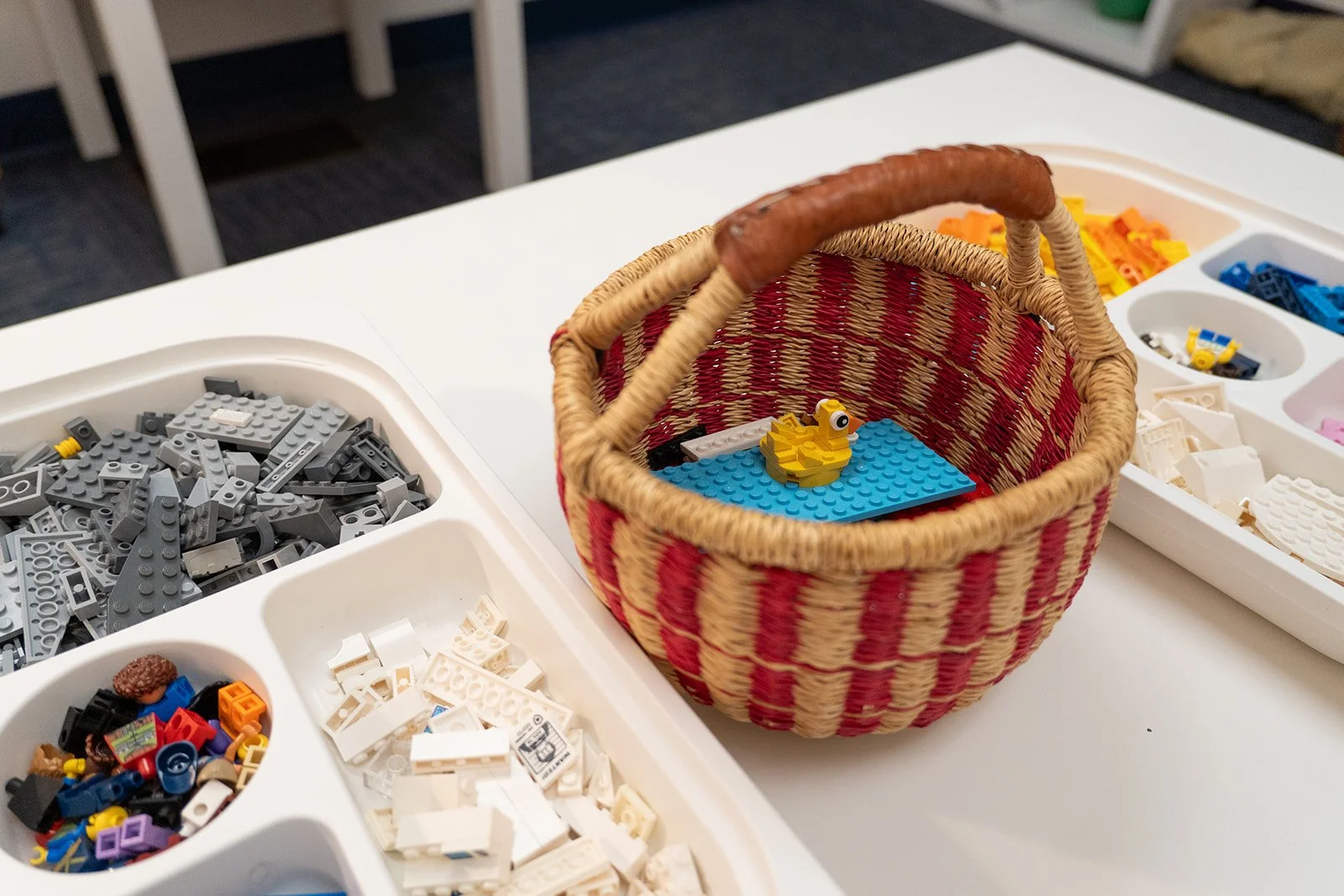
Trauma-Responsive Strategies for Early Childhood
Understand how trauma and chronic stress can shape development, relationships, regulation, play, and behavior—and what educators can do to increase safety and connection.
Creating Neurodiversity-Affirming Classrooms
Explore how ADHD, autism, sensory differences, giftedness, and other neurodevelopmental variations can shape children’s classroom experiences.
The Classroom Environment as a Regulator
Examine transitions, noise, movement, visual load, materials, routines, and physical space as tools for supporting regulation.
Understanding Prenatal Substance Exposure
Understand how prenatal exposure may affect regulation, sensory processing, attention, learning, sleep, and stress responses.
Understanding and Responding to Behavior
Look beneath aggression, meltdowns, withdrawal, avoidance, and conflict to choose responses that support regulation, skill-building, and repair.
Understanding PDA in the Classroom
Learn how a strong drive for autonomy can show up as avoidance, negotiation, shutdown, or distress and how to reduce unnecessary power struggles.
Supporting Children Who Have Experienced Foster Care or Adoption
Build attachment-aware approaches to trust, belonging, regulation, identity, and connection.
Professional development should fit the people in the room.
BUILT FOR YOUR TEAM
Every early childhood team brings different strengths, stressors, questions, and goals. Katie works with program leaders to shape each training around the educators attending and the challenges they are actually navigating.
Workshops can be offered as a focused stand-alone training or combined into a larger professional development series, with examples and emphasis adapted to your setting, audience, and priorities.
Early childhood centers • Preschool programs • Head Start • Early learning organizations • School districts • Conferences • Leadership teams
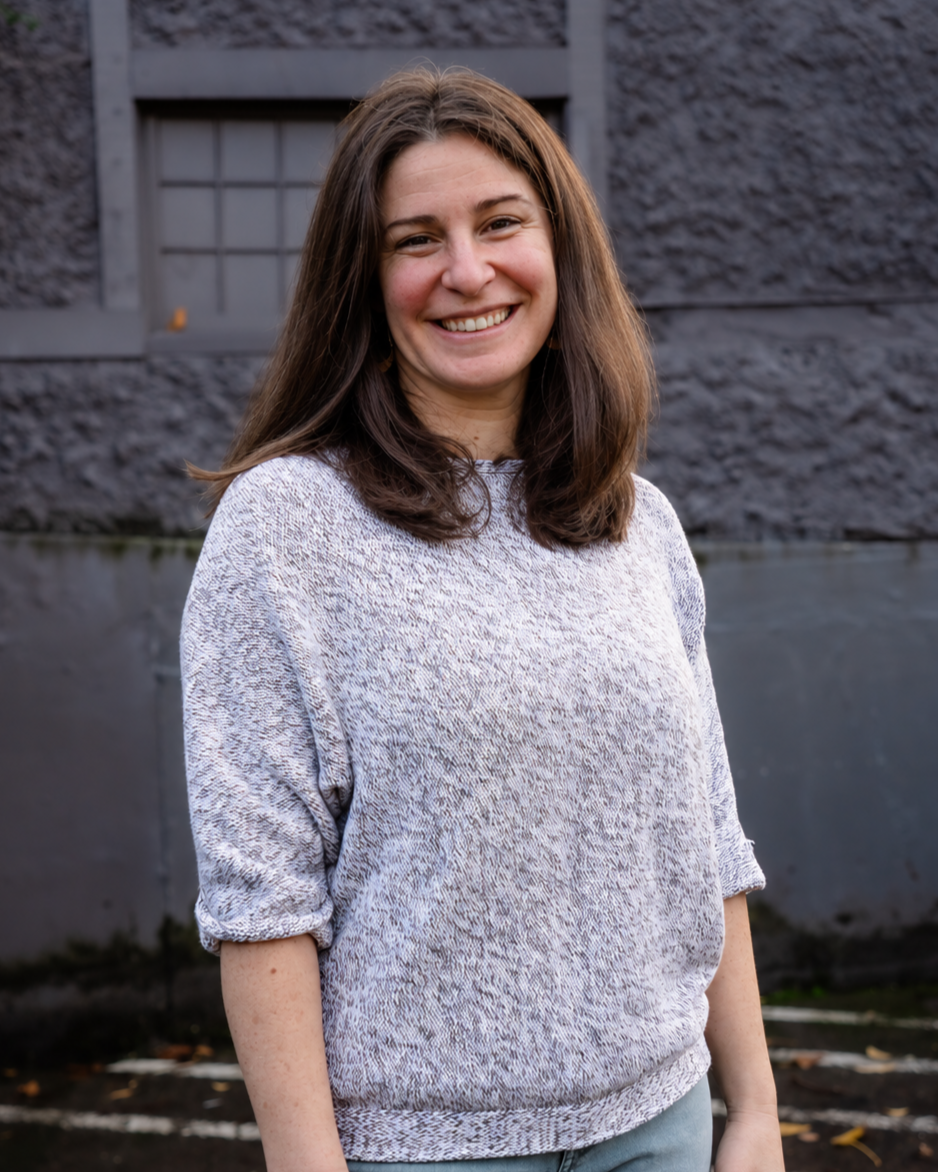
MEET YOUR TRAINER
Grounded in research. Shaped by real classrooms.
Katie Statman-Weil, EdD, LCSW is a former inclusive early childhood educator, clinician, author, and trainer whose work helps educators understand what may be happening beneath challenging behavior.
Her workshops bring together child development, trauma and attachment, nervous system science, neurodiversity-affirming practice, and the realities of teaching—so professional development feels practical, compassionate, and usable.
Educator • Clinician • Author • National trainer
FREQUENTLY ASKED QUESTIONS
Planning professional development for your team?
-
Yes. Katie can tailor the focus, examples, and emphasis around your program, audience, and the challenges your educators are navigating.
-
Workshops can be designed as shorter professional development sessions, half-day or full-day trainings, or part of a larger training series.
-
Yes. Trainings can be offered in person or virtually depending on your organization’s needs and scheduling.
-
Workshops are primarily designed for early childhood educators, program leaders, and professionals supporting young children and families.
-
You don’t have to know exactly what you need before reaching out. Share what your team is experiencing, and Katie can help identify the topic, or combination of topics, that fits best.
-
We offer flexible pricing based on project type and complexity. After an initial conversation, we’ll provide a transparent quote with no hidden costs.
Ready to bring a workshop to your team?
LET’S WORK TOGETHER
We’d love to learn more about your program, your goals, and what your educators are navigating—and help you choose a workshop or training approach that fits.
Stronger relationships. More supported educators. More connected classrooms.