
EARLY CHILDHOOD MENTAL HEALTH CONSULTATION · PORTLAND & ONLINE
When challenging behavior has your teaching team feeling stuck.
Practical, relationship-centered consultation for preschools, early childhood programs, and teaching teams navigating challenging behavior, dysregulation, trauma, neurodivergence, and complex classroom needs.
Katie Statman-Weil, EdD, LCSW provides early childhood mental health consultation to help educators understand what may be happening beneath a child’s behavior and develop practical, sustainable ways to support the child, teaching team, and larger classroom community. Consultation is available in Portland, Oregon, and online nationwide.

When one child is struggling, the whole classroom can feel it.
Your team may have already tried visual schedules, reward systems, sensory tools, behavior plans, calm-down spaces, and countless conversations—yet the behavior continues to escalate.
Educators may feel increasingly overwhelmed, ineffective, or uncertain about how to support one child while also protecting the learning, safety, and well-being of the larger group.
Consultation creates space to slow things down, understand the behavior more fully, and identify responses that support both the child and the adults caring for them.
Early childhood consultation may be helpful when…
A child’s behavior continues to escalate despite the strategies and supports your team has tried.
The relationship between a child and their educators has become strained or stuck in cycles of conflict.
Staff members are struggling to balance compassion for a child with the very real demands of maintaining a safe, functioning classroom.
Educators feel emotionally exhausted, constantly on edge, or increasingly unsure of what to do.
One child’s needs are affecting the well-being of the larger classroom or the cohesion of the teaching team.
Your team wants a trauma-responsive, relational, and neuroaffirming way to understand and respond to behavior.
What is early childhood mental health consultation?
Early childhood mental health consultation is a collaborative process that helps educators better understand children’s behavior, regulation, relationships, and classroom needs. Rather than focusing only on stopping a behavior, consultation considers what the child may be communicating, what factors may be contributing to the difficulty, and what changes could help both the child and the teaching team function more successfully.
Consultation supports the adults and systems surrounding a child. It is not individual therapy, a psychological evaluation, or a diagnosis. It is a practical process for developing shared understanding, strengthening educator capacity, and identifying strategies that can be used in the child’s everyday classroom environment.
What consultation with Katie looks like
Consultation is tailored to the needs of each child, classroom, teaching team, or early childhood program. The process may include educator and director meetings, classroom observation, collaborative problem-solving, written recommendations, and follow-up support.
01
02
03
Begin with the team’s experience
Katie meets with educators and program leaders to understand what has been happening, what the team has already tried, and where staff members feel most concerned or stuck.
Observe the classroom context
Katie meets with educators and program leaders to understand what has been happening, what the team has already tried, and where staff members feel most concerned or stuck.
Make sense of the behavior together
04
Katie helps the team look beneath the behavior and consider the regulation, communication, relational, developmental, sensory, and environmental factors that may be contributing to the difficulty.
05
Develop a practical plan
Together, Katie and the teaching team identify realistic strategies that fit the child, the educators, and the classroom. Written recommendations can help staff members respond with greater clarity and consistency.
Follow up and adjust
Together, Katie and the teaching team identify realistic strategies that fit the child, the educators, and the classroom. Written recommendations can help staff members respond with greater clarity and consistency.
Support for the larger program
Consultation can also extend beyond a particular child or classroom. Katie works with program leaders to strengthen policies, practices, environments, and staff approaches so that trauma-responsive, relational, and neuroaffirming support becomes part of the program’s broader culture.
A DIFFERENT WAY OF UNDERSTANDING BEHAVIOR
Support that looks beyond behavior management
Katie’s consultation integrates relational, trauma-responsive, and neurodiversity-affirming perspectives to help teams understand behavior within the full context of a child’s development, relationships, nervous system, and environment.
Relational
Behavior is understood within relationships—not treated as an isolated problem inside the child. Consultation helps educators consider how connection, trust, co-regulation, and adult responses shape what happens next.
Trauma Responsive
Children’s behavior is considered in the context of stress, safety, regulation, and lived experience. The goal is to respond in ways that reduce shame and support a greater sense of safety and capability.
Neurodiversity affirming
Differences in communication, sensory processing, attention, regulation, development, and play are approached with curiosity and respect rather than treating compliance as the primary measure of success.
The goal is not simply to make a child easier for adults to manage. It is to help adults understand the child more fully and create conditions in which everyone can function with greater safety, clarity, and connection.
PRACTICAL SUPPORT FOR REAL CLASSROOMS
What your teaching team can leave with
Consultation is not about handing educators a generic behavior plan. It is about helping the team develop a clearer, more useful understanding of what is happening, as well as practical ways to move forward together.
A clearer understanding of the behavior
Greater insight into what the child may be communicating and what factors may be contributing.
More consistent adult responses
A shared approach that helps teaching teams respond with greater predictability and alignment.
Greater educator confidence
More clarity about what to do during difficult moments—and why those responses may help.
Strategies tailored to the classroom
Practical responses that account for the child, educators, routines, environment, and needs of the larger group.
More consistent adult responses
Thoughtful adjustments to expectations, routines, relationships, or the classroom environment.
A sustainable path forward
A plan that supports the child without overlooking educator capacity or the well-being of the classroom community.
FROM AN EARLY CHILDHOOD EDUCATOR
“Katie was knowledgeable, genuine, and encouraging. She created a supportive learning environment and gave me practical ideas I could use in my classroom.”
-Educator
EARLY CHILDHOOD EXPERIENCE · CLINICAL EXPERTISE
Consultation grounded in real classroom experience
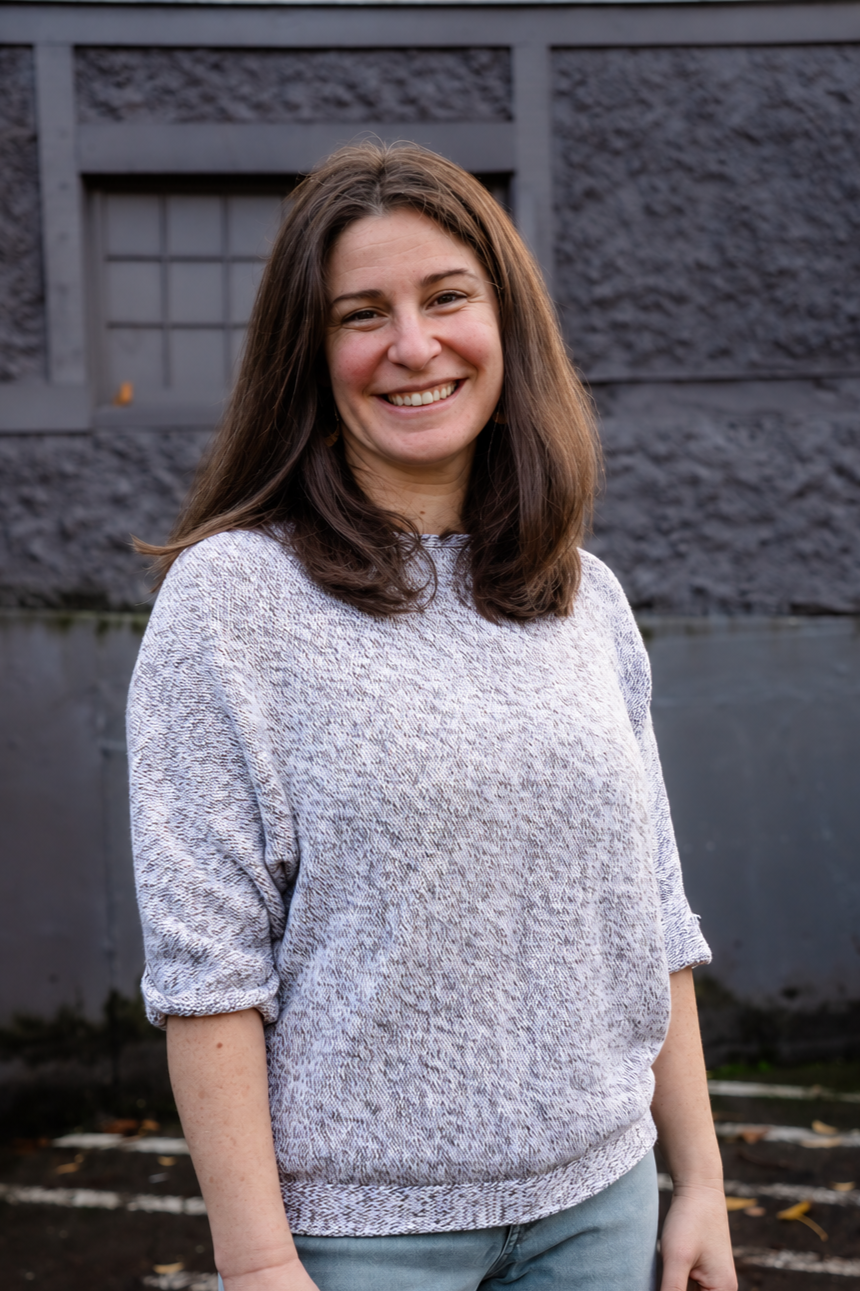
Katie Statman-Weil, EdD, LCSW brings together expertise in early childhood education, mental health, trauma, relationships, and child development. Her approach is informed not only by research and clinical training, but by firsthand experience working as a preschool teacher, early childhood center director, and professor of pre-service and in-service educators.
Katie understands the complexity of supporting a child with intense needs while also attending to the safety, learning, relationships, and well-being of the larger classroom community. She works alongside educators without judgment—helping teams replace blame and urgency with greater understanding, practical strategies, and a clearer path forward.
This combination of educational, clinical, and classroom experience allows Katie to consider both the child’s needs and the realities facing the adults responsible for supporting them every day.
WHERE CONSULTATION IS AVAILABLE
Early childhood consultation in Portland and online nationwide
Katie provides consultation for preschools, early childhood programs, educators, and program leaders in Portland, Oregon, and through virtual consultation nationwide.
In Portland, Oregon
In-person consultation can include meetings with educators and directors, classroom observation, collaborative planning, written recommendations, follow-up support, and broader program development.
Online worldwide
Virtual consultation gives educators and program leaders outside Portland access to collaborative problem-solving, practical recommendations, written guidance, and continued support wherever their program is located.
Not sure whether in-person or virtual consultation is the best fit? Share what your team is experiencing, and Katie will help you determine the most useful next step.
FREQUENTLY ASKED QUESTIONS
Questions about early childhood consultation
Every child, classroom, and early childhood program is different. These answers explain what consultation can include and how to determine whether it may be helpful for your team.
-
Consultation is available to preschool and early childhood educators, teaching teams, directors, administrators, and program leaders. It may focus on a particular child or classroom, support a teaching team through an ongoing challenge, or help an organization strengthen its broader practices and program culture.
-
Consultation primarily supports the adults and systems surrounding a child. Katie may observe a child within the classroom environment, but the purpose is to help educators understand what may be happening and identify practical ways to respond. Consultation is not individual therapy for the child.
-
No. Consultation does not provide therapy, diagnosis, or psychological evaluation. It is a collaborative process that helps educators consider the relational, developmental, regulatory, sensory, and environmental factors that may be influencing a child’s behavior.
-
Depending on the needs of the child, classroom, or program, consultation may include meetings with educators and directors, classroom observation, collaborative problem-solving, written recommendations, follow-up consultation, and broader program development.
-
Yes. Some organizations need a focused consultation around a particular concern, while others benefit from ongoing meetings, observation, implementation support, and follow-up. Katie will work with your team to determine the level of support that best fits the situation.
-
Yes. Katie provides in-person consultation in Portland, Oregon, and virtual consultation for educators and early childhood organizations nationwide. The most appropriate format will depend on your team’s goals and whether classroom observation is needed.
-
Consultation fees vary depending on the scope of the concern, the number of meetings, whether classroom observation or written recommendations are included, and whether the organization is seeking focused or ongoing support. Contact Katie for a customized quote.
-
Begin by sharing a little about your program, the concerns your team is experiencing, and the kind of support you are seeking. Katie will follow up to discuss whether consultation is the right fit and what the next steps could look like.
FIND THE RIGHT FIT
Not sure which kind of support your organization needs?
The best format depends on the challenge you are trying to address, the number of people involved, and the kind of change you hope to create.
Consultation
Best when a particular child, classroom, teaching team, or program is facing a complex challenge and would benefit from individualized support, observation, practical recommendations, or follow-up.
Workshops
Best when your staff needs shared learning, practical strategies, and time to explore a topic together in an interactive professional-development setting.
Keynotes
Best for conferences, associations, and larger audiences seeking an engaging, research-informed shift in how they understand children, behavior, and connection.
READY TO TAKE THE NEXT STEP?
Ready for behavior to make more sense?
Tell Katie what your team is experiencing. Together, you can determine whether focused consultation, ongoing support, a workshop, or another approach would be the best fit for your organization.
Portland, Oregon · Available online nationwide