
EARLY CHILDHOOD PROFESSIONAL DEVELOPMENT • KEYNOTES • CONSULTATION
When behavior makes sense, teaching changes.
Professional development for early childhood educators navigating challenging behavior, trauma, neurodivergence, dysregulation, and complex classroom needs.
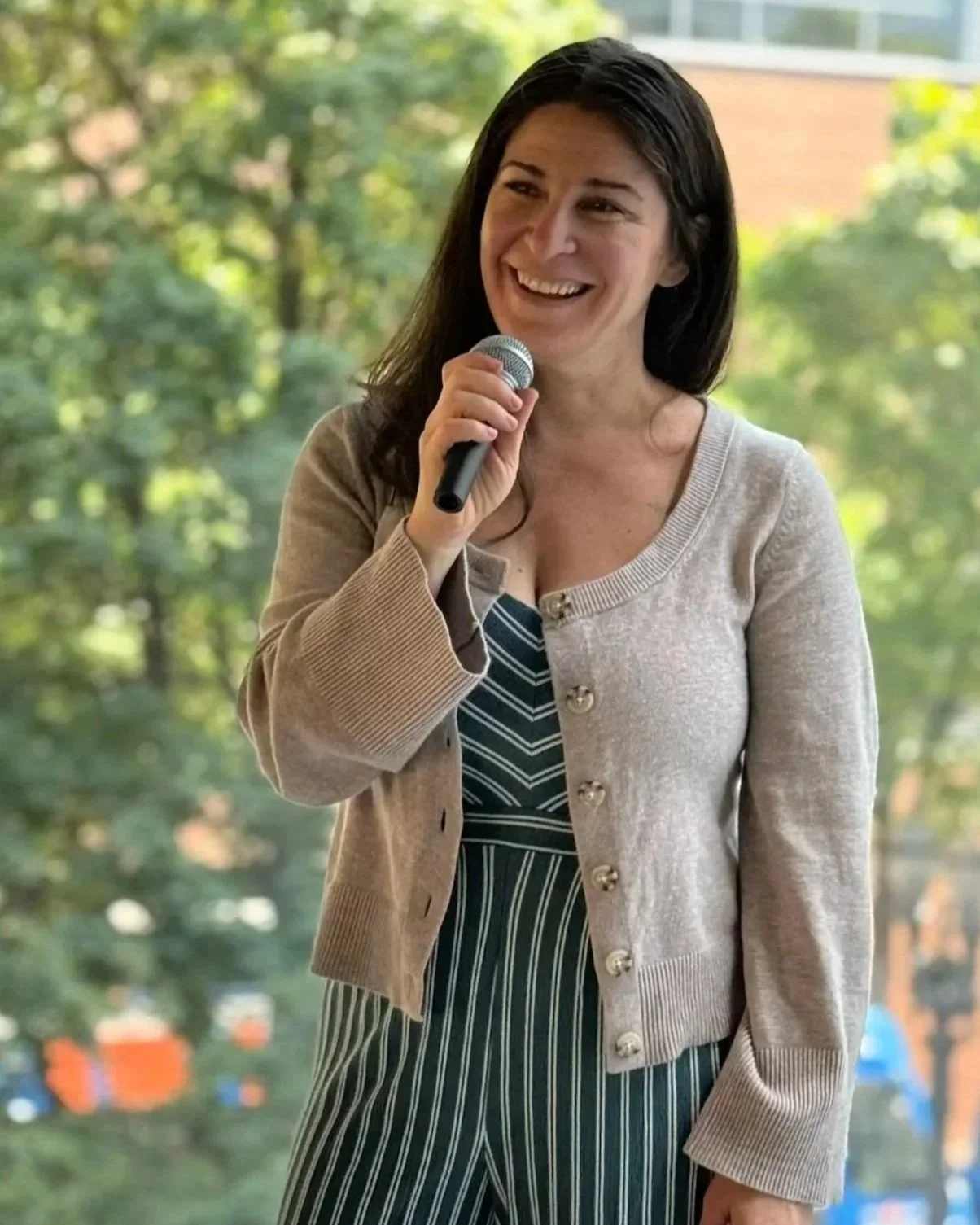
Katie Statman-Weil, EdD, LCSW helps educators understand what is happening beneath behavior so they can respond with more clarity, confidence, and connection.
TRUSTED BY EARLY CHILDHOOD ORGANIZATIONS, UNIVERSITIES, AND EDUCATORS NATIONWIDE



When behavior stops making sense, teaching gets harder.
A child is hitting every day. Another shuts down whenever expectations change. The strategies that worked last year aren’t working now.
Your educators care deeply, and they may also be exhausted, second-guessing themselves, and wondering what else they are supposed to try.
The problem may not be that they need more strategies. They may need a different way to understand what is happening.
Understanding challenging behavior changes the way we respond.
When educators understand how child development, relationships, sensory processing, trauma, neurodivergence, and the nervous system can shape behavior, behavior stops feeling quite so random. The question begins to shift from: “How do we make this stop?” to:
“What is this child communicating, and what support might help next?”
That shift gives educators more options: more clarity about what may be happening, more confidence in how to respond, and more room to move from crisis management toward connection, regulation, and prevention.
WAYS TO WORK TOGETHER
Professional development for real educators, real classrooms, and real challenges.
Workshops
Interactive professional development that helps early childhood teams understand challenging behavior and build practical, relationship-centered responses they can use right away.
Keynotes
Engaging, story-driven presentations that help educators see behavior differently and leave with greater clarity, compassion, and possibility.
Consultation
Customized support for programs, leaders, and teaching teams navigating particularly complex behavior, regulation, or classroom needs.
WHAT EDUCATORS SAY
“Katie modeled what she taught, made us all feel welcomed and respected. I haven’t learned more about teaching from anyone or anything else.”

MEET KATIE STATMAN-WEIL, EdD, LCSW
I understand the child. And I understand the educator standing in front of them.
Before becoming a clinician, consultant, and trainer, I was an inclusive early childhood educator. I know what it is like to care deeply about a child and still reach the end of your strategies.
My work brings together child development, trauma and attachment, nervous system science, neurodiversity-affirming practice, and the realities of early childhood classrooms.
But professional development should do more than explain children. Educators deserve to feel understood, too.
I help teaching teams make sense of difficult moments without blame, shame, or one-size-fits-all answers—so they can leave with a clearer understanding of the child in front of them and more confidence about what to try next.
RESOURCES FOR EARLY CHILDHOOD EDUCATORS
Articles, trainings, and practical resources to help educators understand what may be happening beneath behavior—and respond with greater clarity and confidence.
Resources for understanding challenging behavior in early childhood.
NAEYC ARTICLE
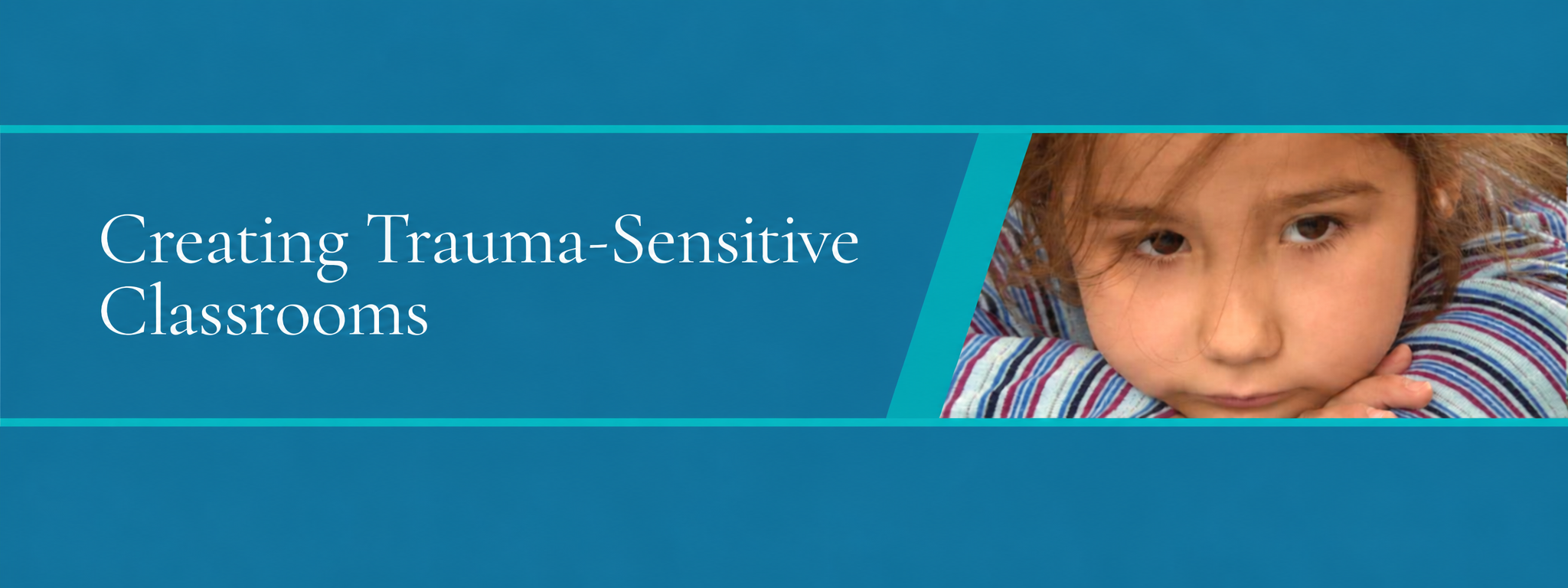
Creating Trauma-Sensitive Classrooms
Published in NAEYC's peer-reviewed Young Children, this widely used article offers practical strategies for recognizing how trauma can shape children's behavior, learning, and relationships. The article has since been included in NAEYC's Spotlight on Young Children, cited by the U.S. Department of Education, and recommended as a trauma-sensitive practice resource by early childhood organizations.

FREE RESOURCE
Use PACE to Connect in the Classroom
Using Playfulness, Acceptance, Curiosity, and Empathy to build connection and support all learners.
BOOK
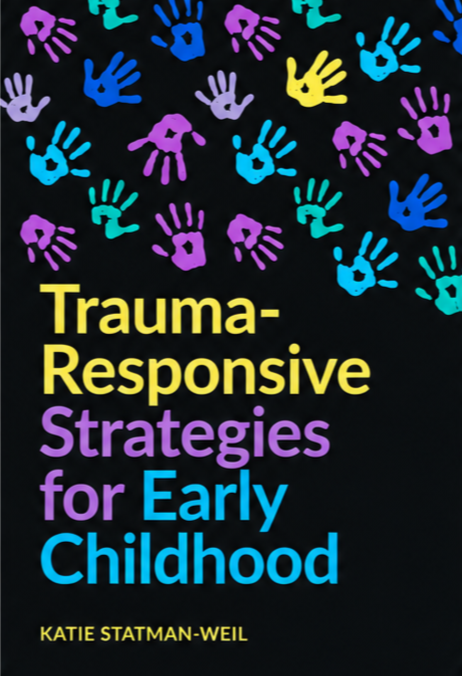
Trauma Responsive Strategies for Early Childhood
Translating neuroscience into practical, compassionate strategies for educators.
-
Katie offers professional development on challenging behavior, trauma, regulation, neurodivergence, relationships, and complex classroom needs, with a focus on helping educators understand what may be happening beneath behavior and respond with greater clarity and confidence.
-
Teach With Connection workshops are designed primarily for early childhood educators, teaching teams, program leaders, and organizations supporting young children. Trainings can be adapted to the experience, roles, and needs of a particular audience.
-
Absolutely! Every early childhood program, school, and organization has unique strengths, challenges, and goals. I customize professional development workshops, keynote presentations, and consultation to meet the specific needs of your educators and community.
Whether your team is focused on supporting children with challenging behaviors, understanding childhood trauma, creating neurodiversity-affirming classrooms, or strengthening relationships and emotional regulation, we can develop a learning experience that is practical, engaging, and grounded in research.
Professional development is available in person and virtually, with options ranging from individual workshops to ongoing learning and consultation.
-
Workshops provide deeper, interactive professional learning. Keynotes introduce powerful ideas to larger audiences in an engaging presentation format. Consultation offers more individualized support for programs and teams working through complex needs.
-
Reach out with a little information about your organization, audience, goals, and what you’re hoping to address. Katie will then help determine which format would be the best fit.
FREQUENTLY ASKED QUESTIONS
Planning professional development for your early childhood team?
“Katie was phenomenal...
You could tell she truly cared about us and our growth as educators.”
BRING TEACH WITH CONNECTION TO YOUR TEAM
Ready for behavior to make more sense?
Tell me a little about your organization, your educators, and what your team is navigating. I’ll help you determine whether a workshop, keynote, or consultation would be the best fit.